The label used for the material
A strain name is part of an identity claim. Its usefulness depends on the source and the record attached to it, rather than the familiarity of the word alone.
Field notes / H10 · The knowledge library
Cannabis Genetics and Strains: Names, Traits and Identity Explained
A cannabis strain name can connect a description to a history or a source. It does not automatically establish a unique genetic identity. This guide separates names, inherited variation, expressed traits and evidence so that strain profiles can be read with the right expectations.
Explore the distinction ↘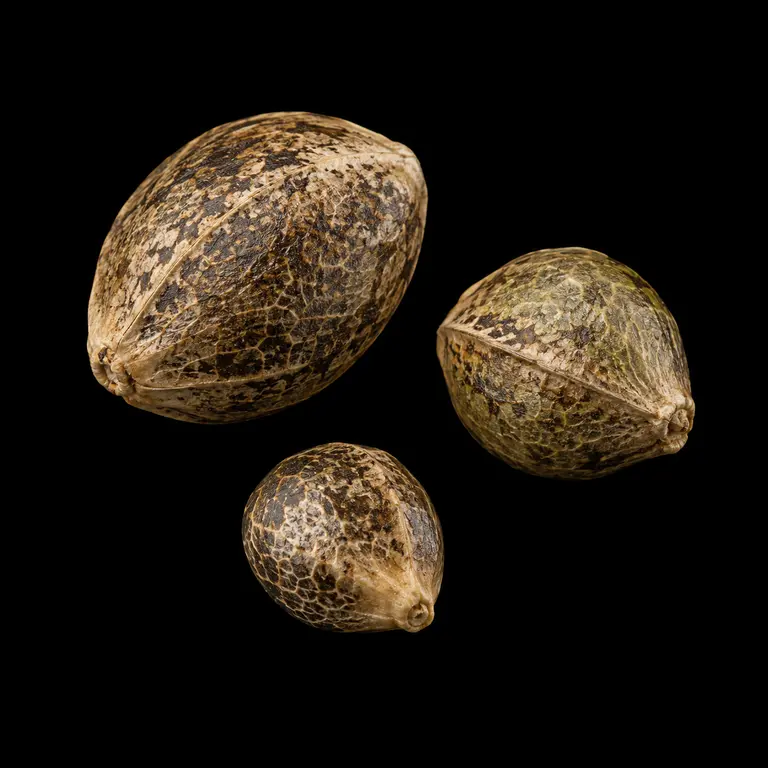
A strain name is part of an identity claim. Its usefulness depends on the source and the record attached to it, rather than the familiarity of the word alone.
Genotype concerns genetic information. A name, an image and a statement of ancestry are not themselves a complete measurement of that information.
Phenotype concerns observed traits. A description of appearance or chemistry answers a different question from a complete account of genetic identity.
Strain is widely used in cannabis descriptions. Cultivar refers to a cultivated variety, while a particular sample or lot identifies material at a more specific level. These words should not be treated as interchangeable when the distinction affects a claim.
A species name is broader still. Cannabis sativa is a botanical taxon; a named strain, a collection entry and an individual specimen are not equivalent levels within a record.
| Term | Question it helps frame |
|---|---|
| Species | What botanical group is being discussed? |
| Cultivar or strain name | What named material does the source describe? |
| Sample or lot | Which particular material was assessed? |
| Individual | Which specific subject was observed? |
The same familiar name can appear at more than one source. That fact is useful for following a cultural or commercial history, but it does not by itself connect every source to the same genetic material.
Genotype concerns genetic information. Phenotype concerns characteristics that are expressed and observed. An outline, a flower arrangement and a chemical profile are descriptions of traits; they do not each constitute a complete genetic identity.
This distinction prevents a common leap in reasoning. Two items that look similar have not thereby been shown to be genetically identical. Two descriptions that differ in one observed trait have not necessarily been shown to differ in every genetic characteristic.
A genetic marker is a feature used within a genetic analysis. A marker result has the scope of the method and material assessed. It should not be paraphrased as knowledge of every possible trait if that is not what the analysis established.
For a reader, the useful question is what was measured. An identity claim based on a specimen record, a trait measurement and a genetic comparison are different kinds of evidence, even when they appear together in a research paper.
The 2015 study The Genetic Structure of Marijuana and Hemp compared genetic data with strain names and reported ancestry. Its findings showed that names did not reliably provide a unique genetic identity for the material examined. The authors also found only partial agreement between reported ancestry and genetic structure.
That is a finding about the study’s material, not a claim that every name is meaningless. It supports a more careful approach: retain provenance and genetic evidence where available rather than assuming that a name alone settles identity.
A later study examining commercially named material from different facilities also investigated consistency within names. Such research treats the relationship between a label and the underlying material as a question to test, rather than a premise to assume.
The distinction matters when a profile quotes a history, a breeder description and a laboratory result. Those sources may contribute different information. A well-written page should not imply that one of them independently verified every statement from the others.
Reported parentage describes a relationship claimed by a source. It is useful historical or documentary information when attributed accurately. It should not automatically be presented as independently confirmed ancestry unless the evidence supports that stronger wording.
A name written as one variety crossed with another is also not a complete prediction of every resulting characteristic. The relationship described and the traits expressed by particular material are different questions.
Indica and sativa require context as well. They appear in botanical history and in modern vernacular labelling, where their use can differ. A 2021 Nature Plants study examined genetic and chemical variation in relation to those labels, illustrating that contemporary names should not be treated as simple, exhaustive descriptions of a genome.
This library does not turn those labels into promises about an individual’s experience. A broad category, a chemical measurement and a subjective effect are different claims and should not be compressed into one word.
| Wording | Meaning to preserve |
|---|---|
| Reported parentage | A relationship attributed to a source |
| Observed trait | A characteristic recorded in specified material |
| Genetic comparison | A result from a stated analysis |
| Historical name | A name with a documented or reported history |
A useful profile distinguishes the origin of the name, the material described by a particular source and any verified image or result. Its narrative can be engaging without claiming that all sources refer to a single authenticated specimen.
For example, White Widow and Purple Haze have their own profiles. Those pages provide source context rather than asking the name alone to supply every specification.
A photograph identified by its source as a strain can document that source’s attribution. It does not automatically establish that the pictured material is genetically identical to every other example carrying the same name.
The same principle applies to illustrations. An evocative image can introduce a profile, but it should be labelled as illustrative. Visual appeal and documentary identity are compatible goals only when the caption keeps their roles clear.
Feminized concerns a sex-related category. Autoflower concerns flowering response. These labels can occur beside a strain name without turning the name into a complete specification of all other characteristics.
The guides to feminized seeds and autoflower seeds explain those definitions. Their combination with a name should be read as several separate fields, each supported by its source.
An identity record can also become incomplete. A seed found within floral material does not necessarily reveal both parents or the history of the sample. The article on seeds in cannabis flowers explains the biological observation and its limits.
The central habit is to keep names, relationships, traits and measurements distinct. That does not make strain stories less interesting. It makes clear which parts are history, which are description and which are independently supported findings.
Questions, untangled
Not on its own. Research has found mismatches and variation within named material. Source records and relevant evidence remain important.
No. Genotype concerns genetic information; phenotype concerns expressed characteristics.
Only if the evidence supports that stronger statement. Otherwise, it should remain attributed as reported parentage.
No. Such labels do not provide an exhaustive genetic, chemical or experiential description.
They describe particular categories or traits alongside identity. Neither is a substitute for a named source or material reference.
Old-school cannabis strains — Explore the meaning of old-school cannabis, the distinction between landraces and named hybrids, and how historical accounts connect to modern strain profiles.