One level of the biological account
Genetic sex describes one aspect of the material. It is not simply a photograph of the floral structures visible at a given moment.
Field notes / A13 · The knowledge library
How Do Feminized Seeds Arise? The Biological Concept Explained
Feminized seed production is based on reproductive contributions associated with genetically female material, with the aim of producing female offspring. Understanding the concept requires separating genetic sex, the floral structures expressed and the description of the resulting seed category. This page explains that relationship without a production protocol.
Explore the distinction ↘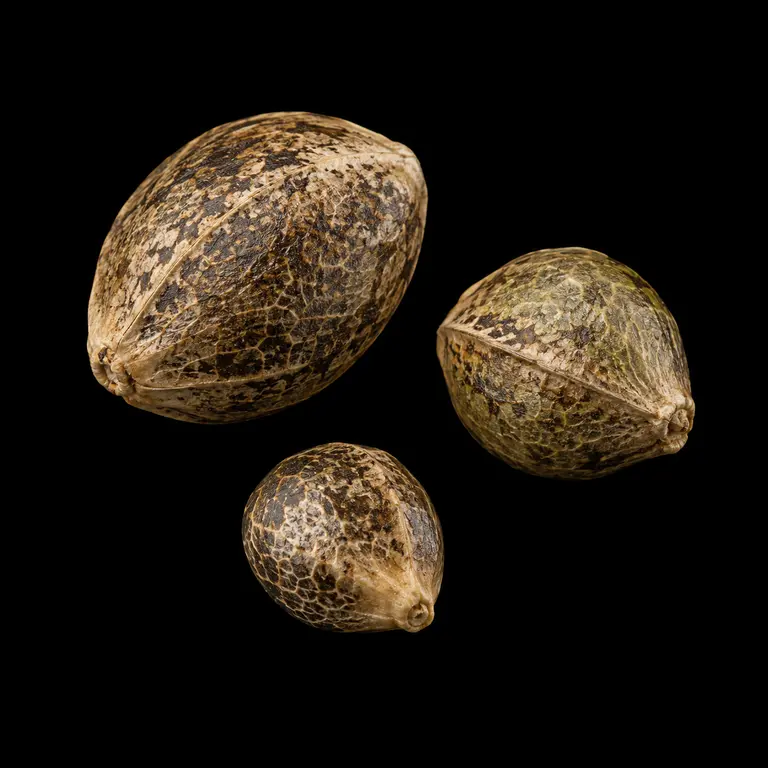
Genetic sex describes one aspect of the material. It is not simply a photograph of the floral structures visible at a given moment.
Floral expression concerns the structures that develop. The literature distinguishes this from the underlying genetic description.
The resulting label concerns the expected female offspring category. It is not a complete account of every inherited trait.
In everyday language, male and female can sound like complete descriptions of everything about a plant. Scientific accounts are more specific: they can distinguish the genetic description from the floral structures expressed. That distinction is central to understanding the feminized category.
The 2021 research on feminized Cannabis sativa seeds investigates sex expression in relation to the resulting seed category. At the conceptual level, genetically female material can contribute to the reproduction underlying feminized offspring. The relevant point here is the relationship between genetic sex and reproductive expression, not the experimental methods.
This means the category is not explained by sorting seeds according to a visible shell pattern. Its definition concerns reproductive background and expected offspring, rather than a decorative or external feature of the seed.
| Level | What is being described |
|---|---|
| Genetic sex | A sex-related genetic description of material |
| Floral expression | The reproductive structures expressed |
| Seed category | The expected offspring description attached to a group |
A statement can be accurate at one level without providing a complete answer at another. An observation of a floral structure is useful anatomical information. It is not, by itself, a full genetic assessment or an independently established description of an entire offspring group.
Conversely, a category label does not document every structure that an individual might express. The literature on cannabis floral morphology gives a reason to keep the vocabulary specific rather than flattening several descriptions into one word.
This is the difference between explaining a mechanism at a high level and claiming to have verified particular material. The former helps readers understand the category. The latter would require a record tied to the material in question.
Feminized concerns a sex-related expectation. It does not describe every inherited or expressed characteristic.
A shared category does not establish that all individuals have the same complete genetic profile. Identity requires separate information.
The broader genetics and strains guide explains the distinction between names, inherited information and observed traits. It is a useful companion when a short seed label appears to imply more uniformity than it actually states.
A published experiment can report an outcome for the material examined under its stated conditions. That result is valuable because the subject and method can be described. A general category label is a different kind of information, and a result should not be detached from its scope when used to explain it.
For example, “the study reports this outcome in its material” is narrower than “all material with this label always has this outcome.” The second sentence adds an absolute. The article about always-female claims examines exactly that change in scope.
Understanding the origin of a category does not make feminized another word for autoflower, CBD-rich, seedless or an old historical strain. Those descriptions belong to other parts of the account. Keeping them separate is the basis of clear seed terminology.
Nor does feminized mean sterile. The seed-formation article explains why a sex-category term is different from reproductive inability. The two concepts can be understood without a practical production procedure.
Return to the main feminized guide for the category overview, or use feminized versus regular for the direct comparison. This page supplies the explanatory biological background rather than repeating those pages under a new heading.
Questions, untangled
No. It concerns reproductive background and the expected sex-related offspring category, not a visible pattern on the seed.
They describe different levels of the biology. Keeping them separate helps explain the concept without treating one observation as a complete genetic account.
No. A sex-related category does not establish complete genetic or phenotypic identity.
No. It is a conceptual explanation. It provides no substances, equipment, timings, treatment methods or production steps.
Start with what feminized seeds are; return here for the distinction between genetic description and floral expression.