A physiological process
Seed physiology commonly uses emergence of the embryonic root as the completion of germination. That endpoint is not the same as a fully developed seedling.
Field notes / 15 · The knowledge library
From Germination to Seedling: Understanding Emergence and Timing
Germination, emergence and seedling development describe connected but different events. There is no single interval established by the phrase after germination. A meaningful duration identifies which starting event and which visible milestone it connects.
Explore the distinction ↘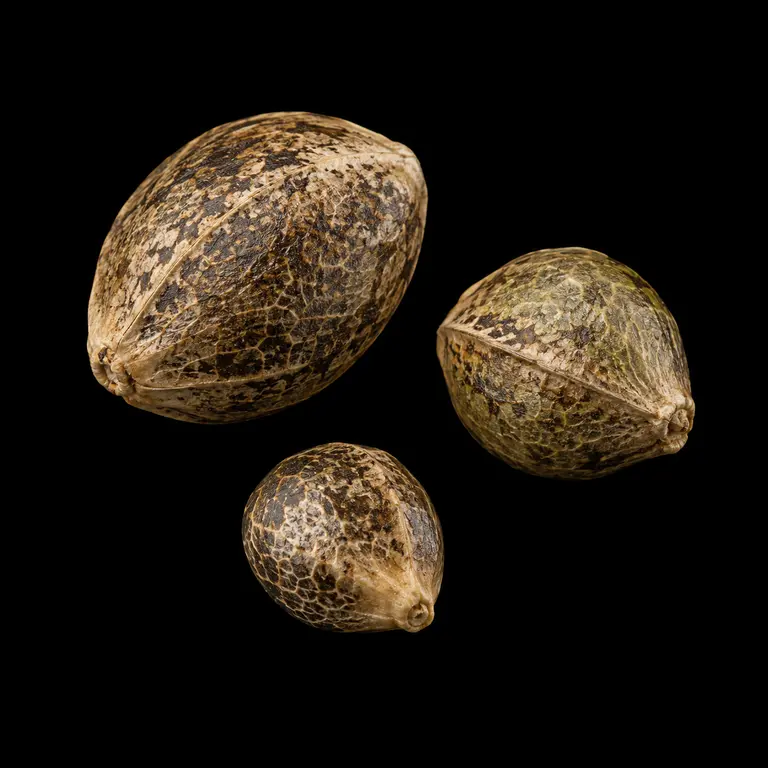
Seed physiology commonly uses emergence of the embryonic root as the completion of germination. That endpoint is not the same as a fully developed seedling.
In many accounts, emergence refers to a seedling becoming visible above a surface. The author needs to specify which visible event was recorded.
Seedling describes a young plant, rather than a single instant on a clock. Two photographs labelled seedling may depict different points within that period.
A story can begin with a dry seed and end with a leafy young plant. Between those views are several changes. Calling the whole sequence sprouting is understandable in everyday speech, but a measured interval needs a narrower definition.
| Term | Main meaning | Common reading error |
|---|---|---|
| Germination | A physiological transition with a defined endpoint | Treating it as every later change |
| Emergence | An observed appearance or crossing of a surface | Assuming it always means root emergence |
| Seedling development | A period of young-plant development | Treating it as a single timed event |
The word emergence is especially dependent on context. A paper can describe radicle emergence, while another account describes a seedling emerging above a surface. Both use the same noun, but the subject changes. Retaining that subject avoids a false comparison.
Our central germination guide explains embryo and radicle terminology. This article concentrates on the boundary between that process and later visible development.
A record describes when an observer detected something. If observations were separated in time, the event may have happened between them. The date of detection is therefore not automatically the precise instant of the biological change.
Imagine a fictional gallery where a display is checked on two occasions. It is closed at the first check and open at the second. The records locate the change between observations; they do not reveal its exact minute. This analogy illustrates the limits of an observation interval.
The same distinction helps when reading a time-lapse caption. A sequence has an observation frequency and a starting point. A fast playback compresses recorded time, while its displayed running time is a presentation choice. The video’s length is not the duration of the biological sequence.
| Detail | Question |
|---|---|
| Start event | From which change is time counted? |
| Endpoint | Which feature or event completes the interval? |
| Observation basis | When and how was the event recorded? |
| Material | Which subject or group does the account describe? |
These questions interpret a record. They do not create a timetable or predict the next observation for an individual cannabis seed.
The radicle is the embryonic root. Cotyledons are embryonic seed leaves, while later foliage is described as true leaves. Those names locate structures within the developmental story; they are not interchangeable labels for any visible green part.
Published cannabis morphology research distinguishes cotyledon expansion from the appearance of the first true leaves. That gives a concrete example of why a single word such as seedling can encompass more than one visible state.
A later image should not be used to redefine the earlier event. Showing a leafy illustration beside a germination paragraph can be visually useful, but the caption should explain whether it represents the whole transition or a documented stage.
The seedling appearance article focuses on the vocabulary of these visible structures. Keeping that question separate from elapsed time makes both articles easier to use.
A first recorded event, an average interval and a range describe different aspects of a group. A population summary does not identify the exact duration of every individual member. An interval reported for one sample also does not establish the same interval for all material with a similar name.
For example, a caption might describe one photographed specimen, while a table summarises a larger set. The photograph and table can both be accurate without being interchangeable. The caption’s subject remains the specimen; the table’s subject remains the group.
A short description that says visible after germination leaves the endpoint open. Does visible refer to a root, a structure above a surface or expanded leaves? The answer changes the interval being discussed, even before any number is considered.
This is why the page does not assign a universal number of days. It explains what a duration would need to mean. A numerical claim without those definitions would look more definite while actually providing less information.
For related terminology, see light and germination and germination temperature. They discuss research variables and evidence, rather than operational growing instructions.
Questions, untangled
Not necessarily. Germination commonly ends at radicle emergence in physiological descriptions. Seedling emergence may refer to a later visible event, depending on the source.
No. It describes a developmental period. A source should name the observed stage when a precise comparison matters.
Only if the record supports that precision. An event can occur between separate observations.
It documents a view. Elapsed time requires a record connecting a defined start and endpoint.
The seedling appearance guide explains cotyledons, true leaves and botanical image captions.
The wider context
Explore the central cannabis seed knowledge guide for an overview of biology, labels and related reading.