Understanding the collection
CBD seeds,
with a clearer context.
A profile label, a seed type and a strain name each describe something different. These four short chapters explain how to read CBD terminology without filling in the gaps with assumptions.
01 / ProfileWhat does CBD mean in a seed category?
CBD stands for cannabidiol. In a cannabis seed catalogue, the category refers to the cannabinoid profile associated with the resulting plant. It does not describe the sex or flowering trait of that plant.
Treat the category as context for reading a description. It is not a measurement of the seed itself, nor a replacement for information about a specific variety.
02 / OverlapCBD is not an alternative to feminized
Feminized describes seeds bred to favour female plants. Autoflower refers to a flowering trait. CBD describes a different characteristic, so it can sit alongside those terms rather than replace them.
Read each field on its own terms. When a description leaves a characteristic unspecified, the CBD heading does not supply the missing information.
03 / EvidenceA category label is not a test result
The word CBD is not a laboratory report for an individual product. This index does not assign cannabinoid percentages, exact ratios or guarantees to entries on the strength of a category name.
Where a specific claim is made, it needs specific supporting information. A general label and a documented measurement should remain distinguishable.
04 / DetailsA name is only part of the description
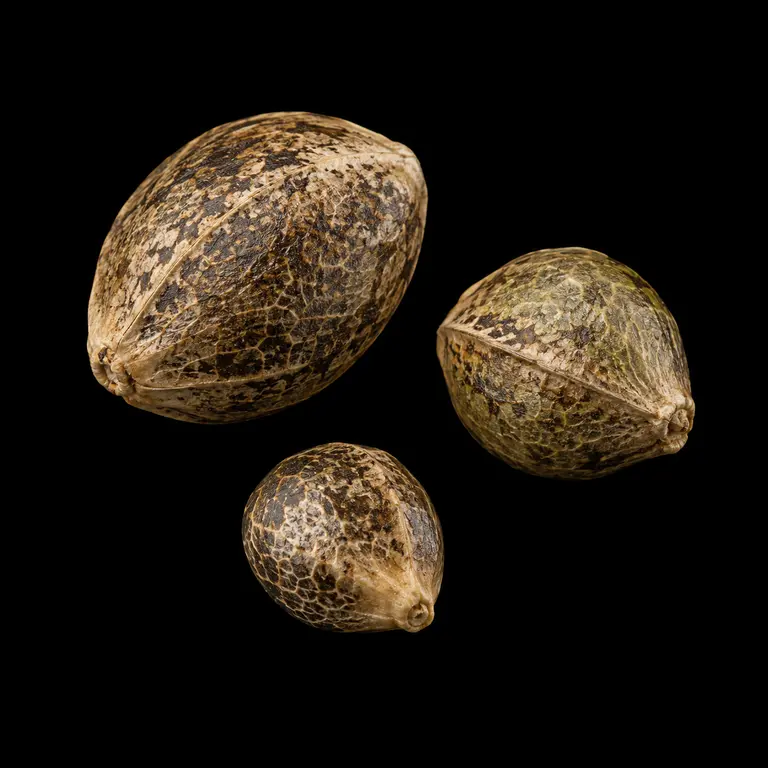
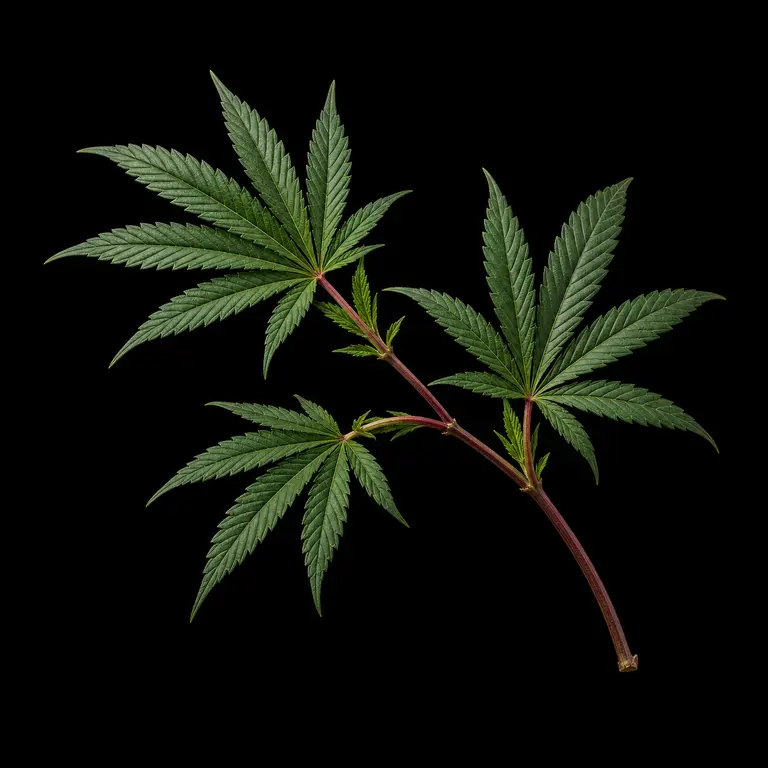
The illustrated cards in the index are general strain references, not a verified CBD product assortment. A familiar name alone does not confirm which variant is available or which profile is documented.
We have left out unverified specifications, prices and stock claims. Those details will need to come from individual product information, not from the artwork or the name of this category.
Let the details support the label
This page explains CBD category terminology. It does not attach health claims, personal effects or unverified cannabinoid figures to the varieties in the name index.
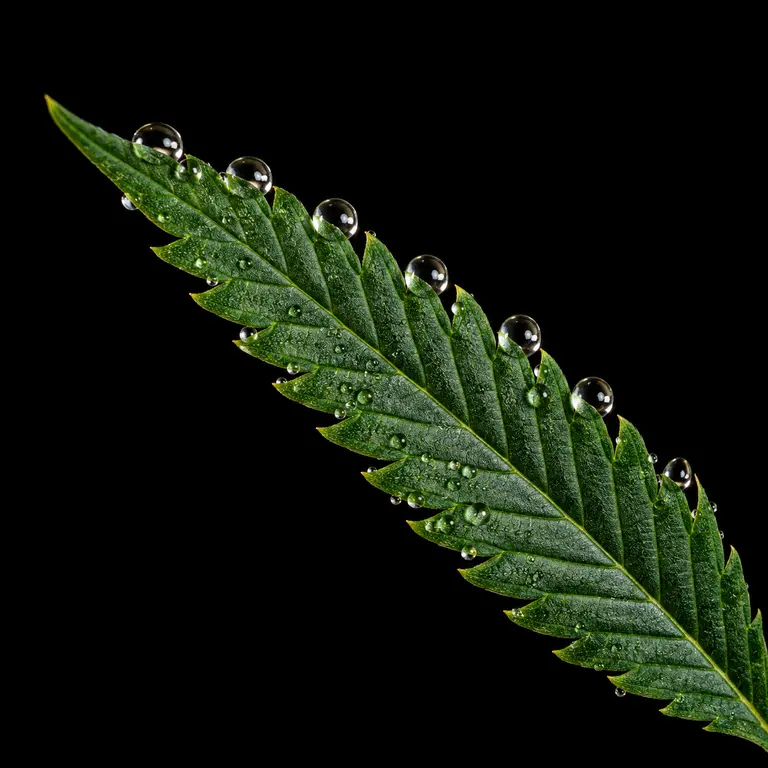
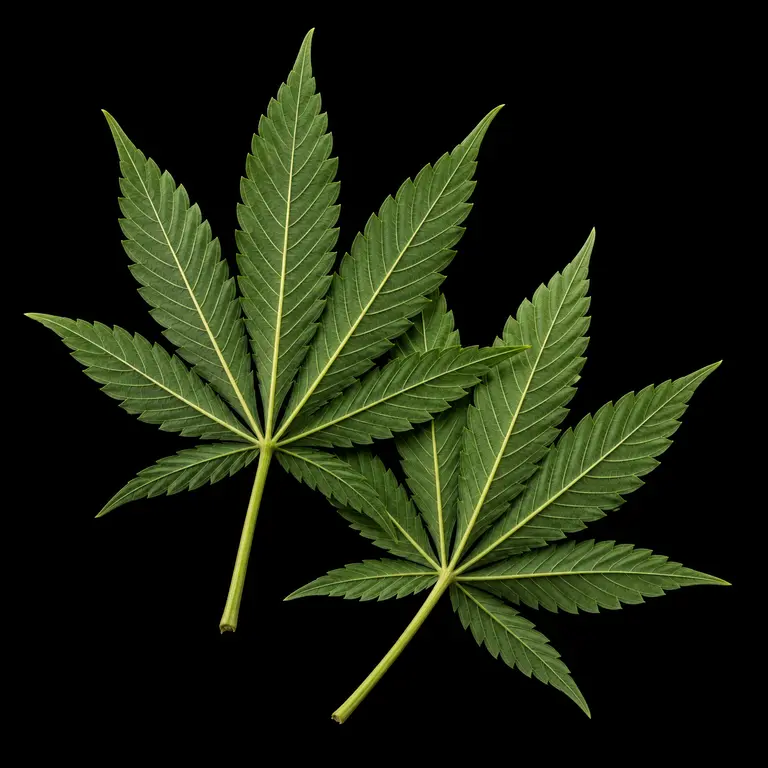
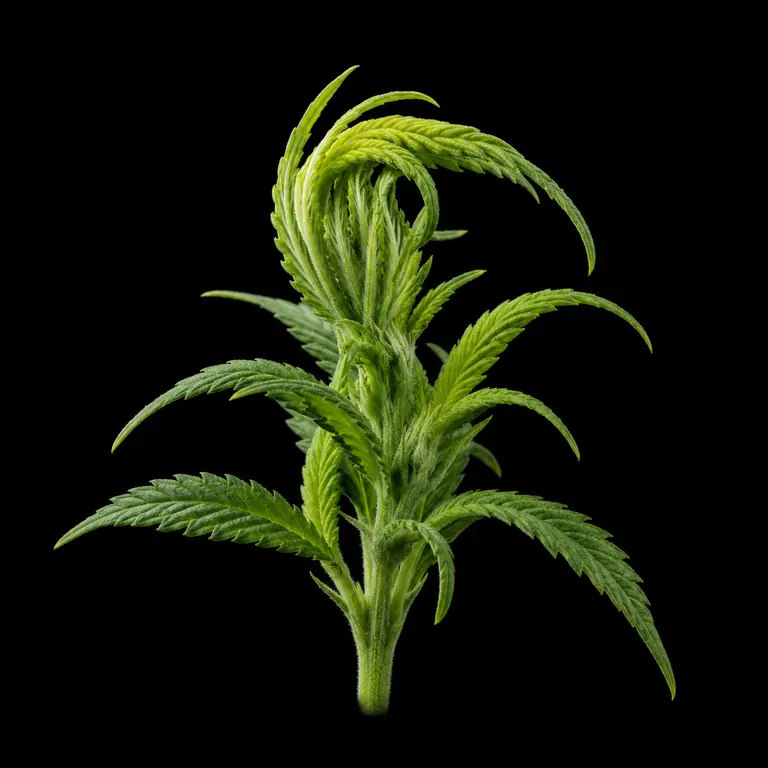
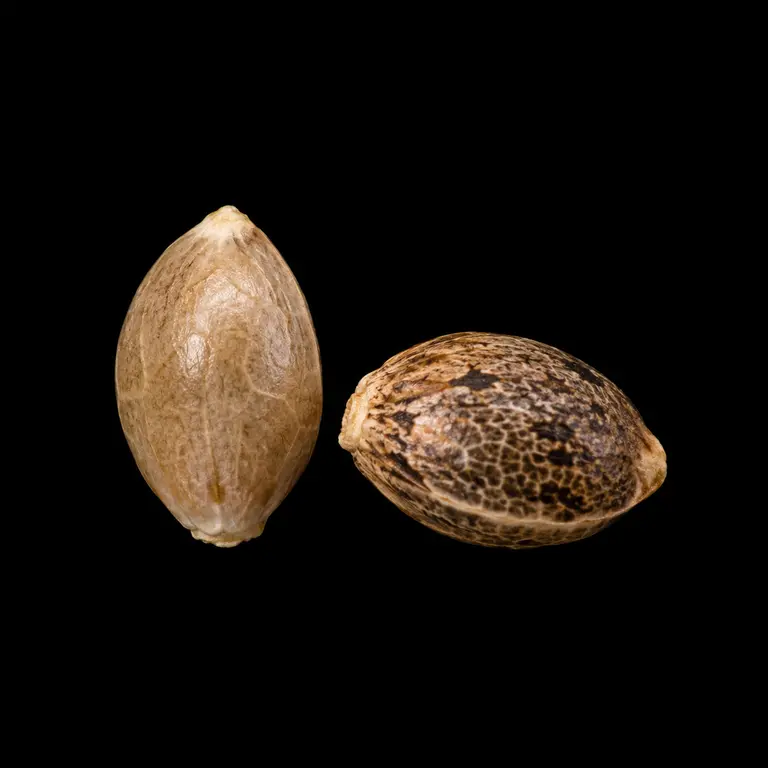
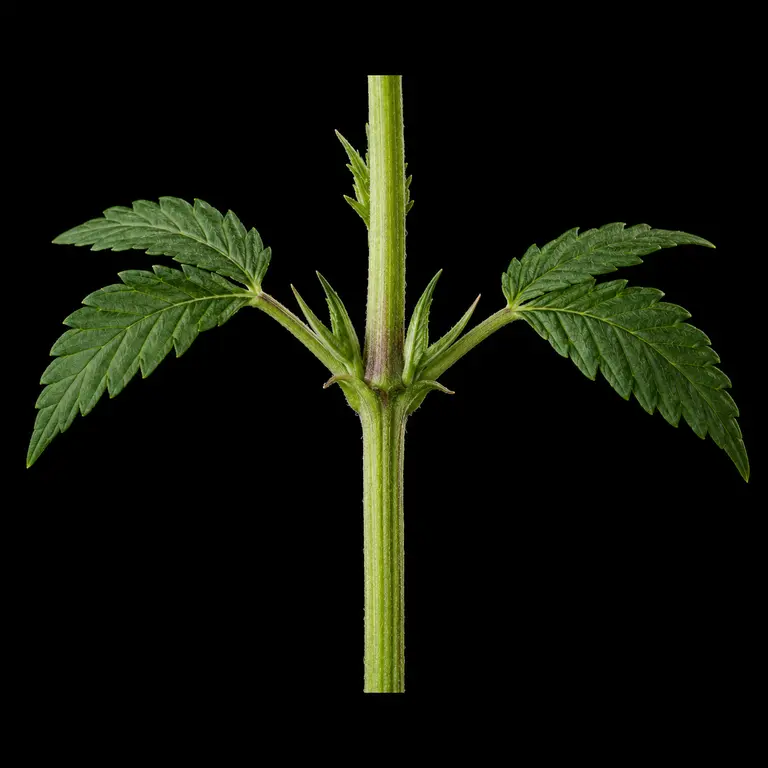
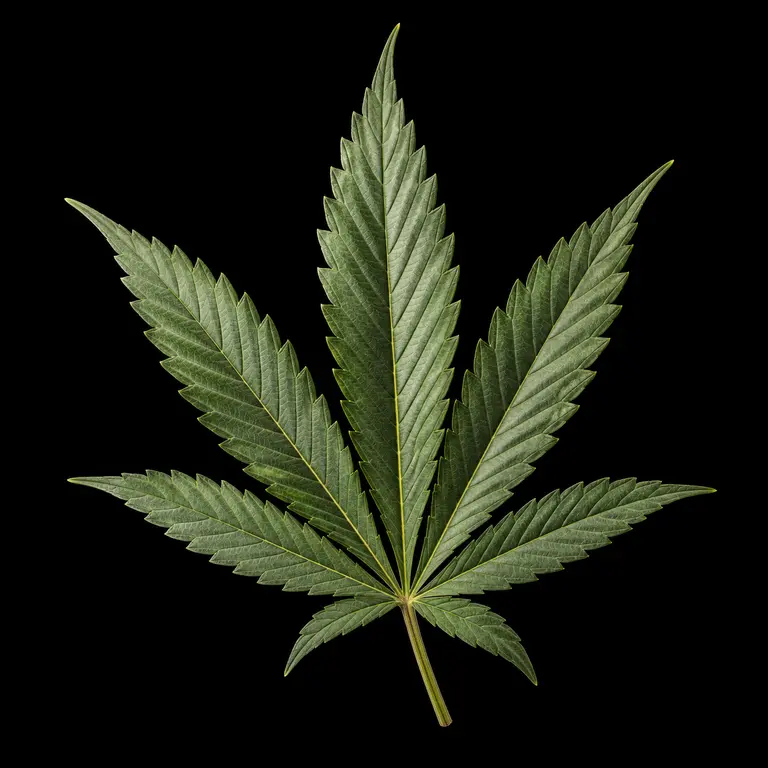
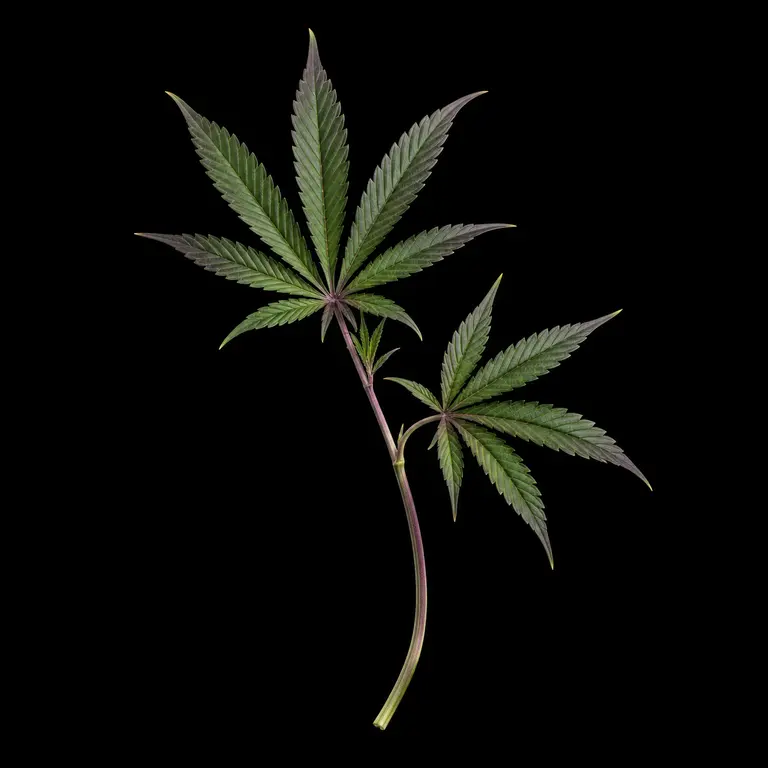
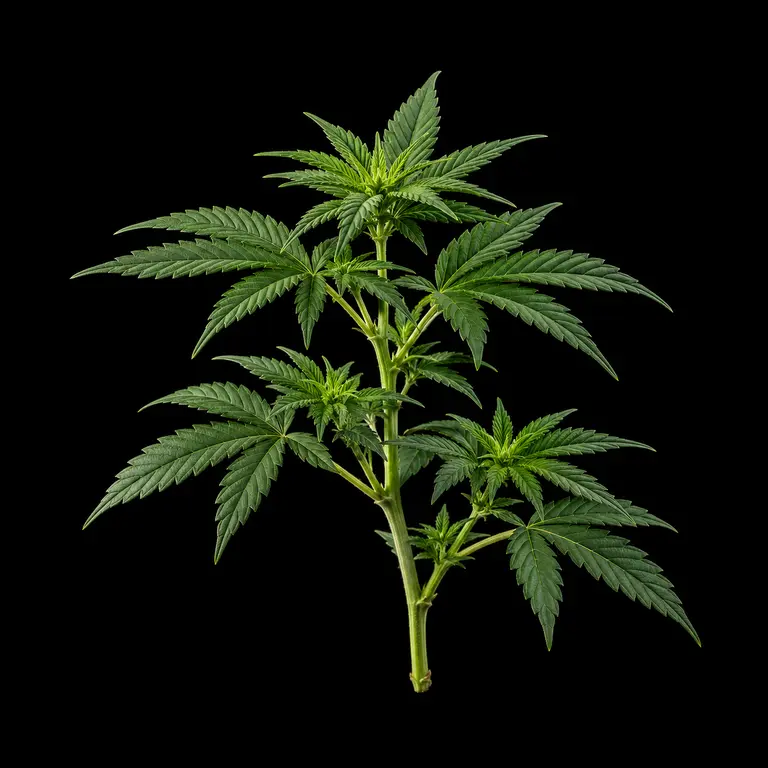
The botanical illustrations provide visual context. They are not evidence of a chemical profile. Explore the strain names with that distinction in mind, and keep documented specifications separate from general descriptions.