Shell
An everyday description
Field notes / A31 · Knowledge library
Shell is an everyday word with several possible meanings. Botanical descriptions use more specific terms for the coverings around seeds and fruits. Keeping everyday and anatomical language separate helps explain why a familiar-looking outer layer can receive different labels.
Explore the concepts ↘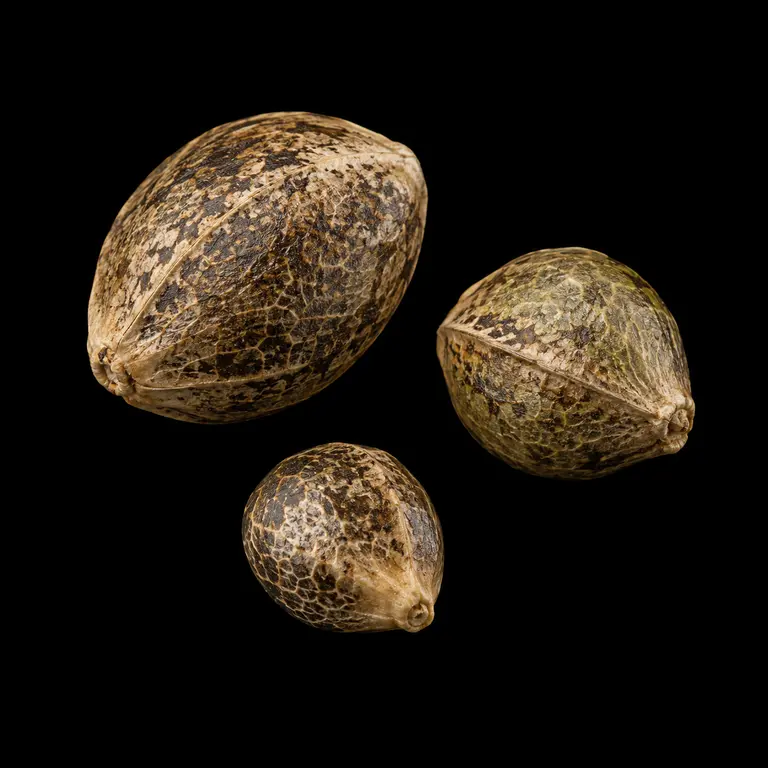
An everyday description
A botanical structure
A different surrounding structure
In ordinary speech, shell can describe something firm that surrounds something else. The word is understandable, but it does not establish which botanical tissue a writer means. A scientific label needs to identify the structure, rather than merely its feel or position.
This is especially relevant when a familiar food name is used as a botanical example. Everyday categories group objects by how people encounter them. Botanical categories describe their structure and development. Neither vocabulary becomes clearer by pretending that the two always match.
Seed coats and fruit walls are different structures in the botanical account of flowering plants. OpenStax explains seed-coat development alongside the formation of fruits. An exterior view can make those layers difficult to distinguish if the subject is not identified.
The correct interpretation therefore depends on the example. A diagram should name the plant and the structure it depicts. Using one generic arrow labelled shell across unrelated examples conceals differences that may be the point of the illustration.
A photograph may show a covering or fragment near another structure. Its position in the image is an observation; an explanation of how it arrived there is an interpretation. The two statements should be kept separate unless a documented sequence connects them.
This distinction is useful for captions. “A visible fragment beside the leaf” describes what the frame records. Adding a precise cause, elapsed time or outcome requires evidence beyond that single arrangement. A neutral description can be both clear and informative.
When a source uses testa or seed coat, preserve that specific wording in a glossary. When the source merely says shell, explain the ambiguity rather than silently assigning it a more precise anatomical meaning. Translation is another place where that distinction can disappear.
For this library, the aim is to make images and terminology easier to read. The page does not present removal methods or troubleshooting advice. Readers can follow the linked anatomy guide for the relationship between the covering and the embryo inside.
Questions, untangled
No. It is often an everyday description of an outer covering.
No. They are distinct botanical structures.
It records an arrangement, but does not necessarily establish its cause.
No. The underlying structure must first be clear.
No. It explains terminology and the limits of image interpretation.