Coat
The surrounding covering
Field notes / A27 · Knowledge library
A seed is more than a patterned surface. Botanical vocabulary separates its protective covering from the embryo and the structures associated with stored reserves. This guide looks inside the terminology, so a drawing or textbook description becomes easier to understand.
Explore the concepts ↘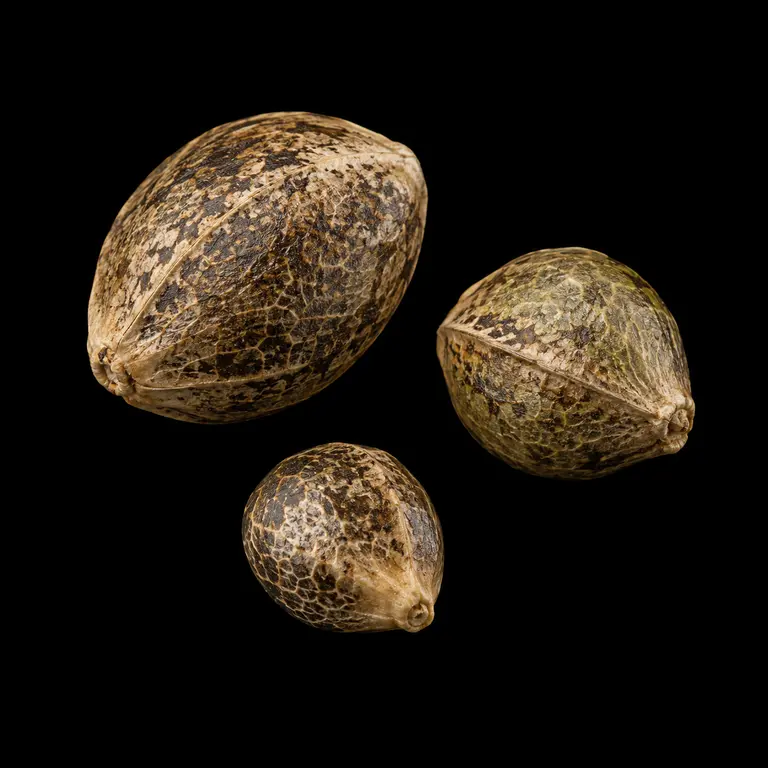
The surrounding covering
The developing plant within
An embryonic leaf
The seed coat surrounds the internal structures. The embryo includes an embryonic root and shoot; a cotyledon is an embryonic leaf. These names describe relationships within a seed, rather than stages in a procedure. A textbook cross-section makes those relationships visible by showing structures that an exterior photograph hides.
A drawing is therefore answering a different question from a macro photograph. One explains an internal arrangement; the other records the surface of particular material. They can complement each other without being interchangeable.
Start with the drawing’s subject and labels. A diagram of a bean is a diagram of a bean, even when it introduces vocabulary used more widely in botany. The number, shape and relative size of structures should not be transferred unchanged to another species.
Arrows also have a limited job: they attach words to depicted structures. An arrow pointing to a cotyledon does not establish the origin, variety or chemical composition of the illustrated seed. Good captions keep the example species and the educational purpose visible.
The name of a structure and its function are different kinds of information. OpenStax describes differences in where food reserves are held in different seeds. This is why “embryo,” “cotyledon” and “endosperm” should not be collapsed into a single word meaning seed contents.
A helpful reading habit is to separate the noun from the explanation beside it. The noun identifies the part; the explanation describes its role in the example. That distinction becomes useful when two textbooks depict different plants.
An exterior image can document colour, outline and visible markings. It cannot expose an internal arrangement that the photograph does not show. A smooth outline is not an anatomical section, and an attractive pattern is not a named-variety identifier.
For a library entry, pair the visual with a precise caption: exterior photograph, schematic section or general illustration. That small distinction allows the reader to understand what is directly visible and what comes from the accompanying botanical explanation.
Questions, untangled
No. It is an embryonic leaf. The embryonic root is called the radicle.
No. Identify the example plant before interpreting its diagram.
An intact exterior view does not reveal the internal structures discussed here.
No. It is a vocabulary guide to seed anatomy.
These general anatomical terms do not establish a particular strain identity.