CBD
A composition-related descriptor
Field notes / T03 · Knowledge library
CBD and autoflower answer different questions. One concerns a chemical-profile description; the other concerns flowering behaviour. Reading them separately explains why combining the words does not produce a full specification of a particular variety or sample.
Explore the concepts ↘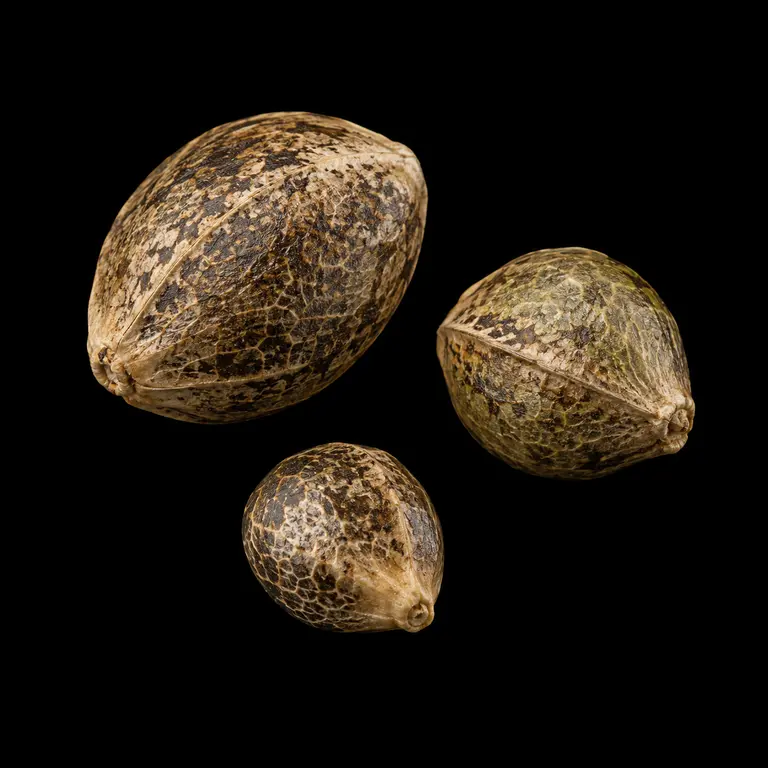
A composition-related descriptor
A flowering-behaviour descriptor
The material being described
A phrase can carry two descriptors without either one defining the other. In this case, a CBD-related label concerns chemistry, while autoflower concerns flowering behaviour. Toth and colleagues’ flowering-time research supplies background for the latter distinction.
The combination is easiest to read as two separate entries rather than as a new single property. A description can be clear about one entry and vague about the other. Joining them in a heading does not fill the missing information.
Imagine a fictional record with a composition column and a flowering-description column. One contains an attributed CBD-related description; the other contains an attributed autoflower label. Neither column supplies a measured result merely because the record looks formal.
This layout helps reveal omissions. If the composition entry has no numerical definition, it remains a qualitative description. If the flowering entry gives only a category name, it does not become a complete timeline. The exercise is about reading claims, not specifying a product.
The material under discussion matters. The FDA distinguishes seeds from the plant parts associated with cannabinoids. A CBD-related seed heading should not be treated as an assay showing that the seed contains an advertised amount of CBD.
A source can describe expected or associated characteristics without having analysed every item bearing a name. That is why profile wording and sample wording should remain visibly different. An editor should not turn described as into measured as while shortening a sentence.
The paired label does not establish an exact chemical composition, a documented origin or a complete set of characteristics. Those details require their own records. It also does not supply a medical recommendation simply because CBD appears prominently in the title.
This page is a vocabulary guide within the knowledge library. It contains no product grid or performance ranking. For a broader reading path, compare the individual high-CBD label with the explanation of flowering-time claims, then return to the paired phrase with both meanings in view.
Questions, untangled
No. The descriptors address different traits.
No. Flowering behaviour does not provide a chemical measurement.
No. The materials and the claims about them must be distinguished.
No. Identity and other characteristics need separate information.
No. It explains how the two descriptors relate.